
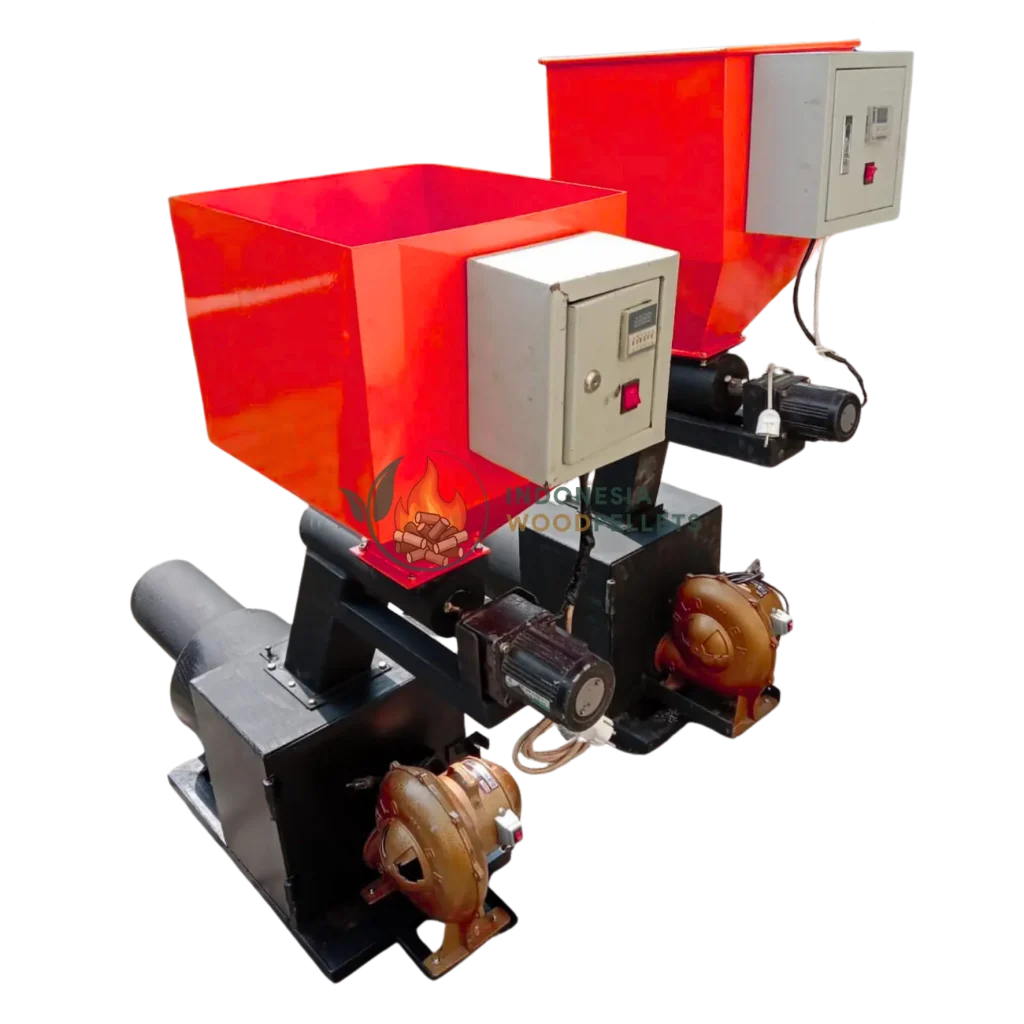
Global demand for renewable biofuel is accelerating as industries seek alternatives to traditional fossil fuels. Agricultural residues, wood chips, and sawmill waste often go unused despite their high thermal potential. Investing in an advanced Wood Pellet Machine enables commercial producers to process raw organic materials into high-density fuel pellets.
Modern biofuel manufacturing requires machinery designed for continuous operation and high mechanical efficiency. Processing raw wood fiber through a specialized Wood Pellet Machine drastically increases bulk density and caloric value. Converting bulk biomass waste into standardized fuel pellets allows businesses to feed clean heat systems like a modern wood pellet burner with outstanding operational efficiency.
Why Investing in a Wood Pellet Machine Drives Biofuel Success
A dedicated pelletizer forms the core of any commercial biomass processing line. Understanding how raw wood fibers compress under intense mechanical pressure helps producers optimize overall production capacity.
Essential Advantages of Industrial Pellet Equipment
- High Compression Power: Heavy-duty rollers press loose sawdust into dense, uniform cylinders with low moisture retention.
- Reduced Transport Costs: Compacting bulky timber waste decreases storage space requirements and lowers bulk shipping rates.
- Versatile Material Handling: Modern machines process diverse feedstocks including hardwoods, softwoods, straw, and coconut husks.
- Consistent Caloric Density: Uniform pellet dimensions ensure stable combustion rates across industrial heating equipment.
Comparing Pellet Mill Configurations and Technical Performance
Choosing the right equipment depends on planned output volumes, raw material density, and operational budgets. Industrial processors typically select between flat die designs and heavy-duty ring die machinery.
| Equipment Feature | Flat Die Pellet Mill | Ring Die Pellet Machinery |
| Production Scale | Small to Medium Capacity | Heavy Industrial Scale |
| Roller Alignment | Vertical Compression | Horizontal Roller Assembly |
| Die Wear Rate | Moderate Wear | Extended Service Life |
| Energy Efficiency | Ideal for Local Production | Optimized for Bulk Output |
Pairing properly processed fuel with reliable heating setups maximizes thermal efficiency. Discover how processed pellets serve global markets in our comprehensive guide on wood pellet biomass energy.
Key Operating Steps in a Biomass Pelletizing Line
Transforming raw forestry residues into high-value fuel involves several crucial preparation stages before pelletization occurs.
1. Material Size Reduction
Crushers reduce oversized timber and branches into fine particles suitable for die compression.
2. Moisture Control and Drying
Rotary drum dryers adjust feedstock moisture levels to the ideal range of ten to twelve percent.
3. High-Pressure Pelletizing
The primary pelletizer forces dried raw fiber through hardened alloy steel dies under extreme temperature and pressure.
4. Pellet Cooling and Screening
Sieves remove loose dust while cooling fans stabilize hot pellets for immediate bagging and shipment. Premium producers source quality raw material to supply international buyers through trusted partners like indonesiacocopeat.com.
Technical Maintenance Practices for Extended Equipment Lifespan
Preventive maintenance preserves pellet mill components and minimizes unexpected factory downtime. Heavy friction between die holes and press rollers generates extreme heat during continuous manufacturing cycles.
Operators must regularly lubricate main shaft bearings and clean die cavities to prevent material buildup. Inspecting die hole wear patterns ensures consistent pellet diameter and prevents unwanted pressure spikes. Using clean, metal-free raw feedstock preserves internal roller surfaces and extends overall machinery longevity.
Environmental and Economic Impact of On-Site Biomass Processing
Transforming timber waste into compact pellets eliminates landfill disposal costs and reduces agricultural burning emissions. Localized pellet production strengthens circular economy frameworks by creating market value from industrial forestry waste.
Industries that manufacture their own biofuel secure predictable energy budgets while reducing carbon emissions compliance costs. Furthermore, high-grade pellets produce minimal ash residue during combustion, keeping maintenance cycles low across all connected heating hardware.
Transform Your Biomass Processing Capacity Today
Upgrading your processing facility with high-performance machinery secures long-term fuel self-sufficiency and unlocks profitable export opportunities. High-efficiency pelletizers deliver superior material compaction, low operational overhead, and consistent output quality for demanding industrial markets. Take control of your biomass supply chain today with reliable equipment engineering.
Contact our specialist engineering sales team today to request custom equipment quotes, machinery specifications, or technical plant layouts tailored to your operation:
- Phone/WhatsApp: (+62) 819-2939-1980 (Mala)
- Email: sales@arlion.co.id