
Understanding the wood pellet price per ton is essential for importers, distributors, and businesses purchasing biomass fuel. Prices can vary according to pellet quality, raw materials, order volume, packaging, and delivery arrangements.
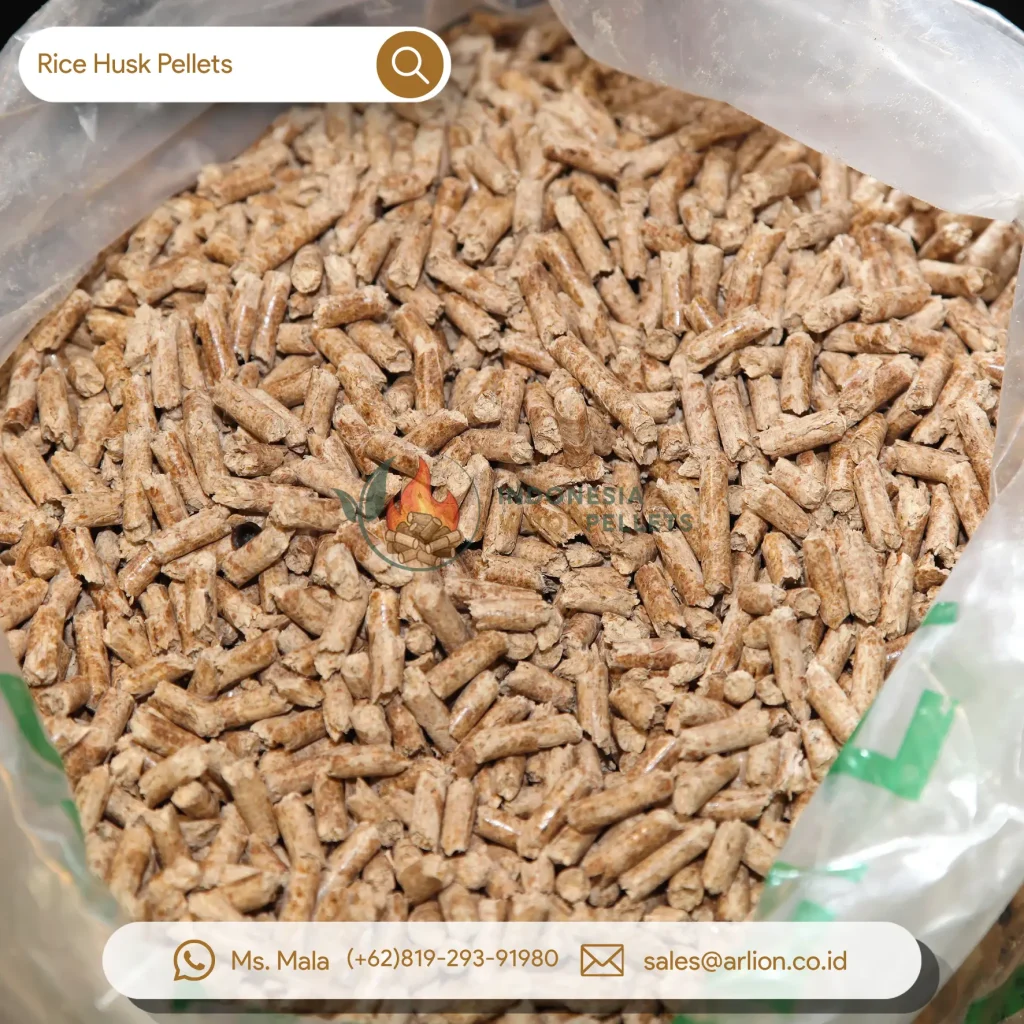
Wood pellets are compressed biomass products commonly used for heating and industrial energy applications. Their suitability depends on specifications, equipment requirements, and the intended use.
For buyers, the lowest quotation does not always provide the best value. Product consistency, transportation expenses, and supplier reliability also affect the total purchasing cost.
This guide explains the main factors influencing wood pellet prices and how to evaluate suppliers before placing an order.
What Determines Wood Pellet Price per Ton?
The wood pellet price per ton depends on several production and commercial factors. Understanding these elements helps buyers compare quotations more accurately.
1. Raw Material Quality
Wood pellets can be manufactured from different types of wood residues and other suitable woody biomass. Raw material characteristics influence production requirements and final product specifications.
Suppliers using consistent raw materials may find it easier to maintain predictable product quality. Buyers should request information about material composition and sourcing practices.
2. Moisture and Ash Content
Moisture content affects fuel performance, while ash content influences residue management and cleaning requirements. These specifications can affect a product’s suitability for particular boilers or industrial systems.
Ask suppliers for documented specifications and relevant test results. Compare the figures against your equipment requirements rather than relying on appearance alone.
3. Pellet Dimensions and Durability
Pellet diameter, length, and mechanical durability can affect storage, transportation, and feeding systems. Products must meet the requirements of the intended application.
Request a specification sheet before comparing prices. Ensure that quotations refer to comparable pellet dimensions and quality standards.
4. Order Volume
Large orders may offer a lower unit price because production and logistics costs can be distributed across more material. However, minimum order quantities and supplier pricing policies vary.
Discuss your required volume and purchasing schedule. For recurring orders, ask whether the supplier can support a consistent supply arrangement.
How a Wood Pellet Factory Influences Pricing
A wood pellet factory transforms prepared biomass into compressed fuel through processing, drying, pelletizing, cooling, and packaging. Each stage contributes to production costs.
Factory operations can influence the wood pellet price per ton through several factors:
- Raw material availability: Local supply conditions affect procurement costs.
- Energy consumption: Drying and processing require energy.
- Production capacity: Equipment efficiency and operating schedules influence output.
- Quality control: Testing and monitoring add costs but support consistency.
- Packaging: Bags, bulk loading, and protective materials affect expenses.
- Storage: Warehousing and inventory management contribute to overhead.
Buyers should ask about production capacity, quality procedures, and expected lead times. These details help assess whether a supplier can meet the required volume and delivery schedule.
Learn more about supplier operations through this guide to a wood pellet company and biomass production.
Comparing Wood Pellet Price per Ton for Export Orders
For international buyers, the wood pellet price per ton involves more than the product’s factory price. Shipping, handling, documentation, and delivery responsibilities can significantly affect the final cost.
Consider these expenses when requesting quotations:
- Product price per metric ton.
- Packaging and loading charges.
- Inland transportation to the departure port.
- Port handling and export documentation.
- Ocean freight and insurance, where applicable.
- Destination handling, duties, and taxes.
- Any inspection or certification expenses.
Ask suppliers to specify the applicable Incoterms. These rules clarify how costs, responsibilities, and risks are allocated between the buyer and seller.
For example, a factory-level quotation may exclude international freight. A delivered quotation may include additional transportation costs. Compare offers using the same delivery basis to avoid misleading comparisons.
You can explore available products and sourcing information through this wood pellet supplier website.
How to Choose a Reliable Wood Pellet Supplier
Price matters, but supplier reliability also affects purchasing decisions. A suitable supplier should provide clear specifications, realistic delivery schedules, and transparent commercial terms.
Use this checklist before ordering:
- Verify business information. Confirm the supplier’s identity and contact details.
- Request product specifications. Review moisture, ash, dimensions, and calorific value where available.
- Ask for test results. Check whether documented results support the stated specifications.
- Confirm production capacity. Ensure the supplier can fulfill your requested quantity.
- Discuss packaging options. Select packaging suitable for handling and transportation.
- Review payment terms. Understand deposit requirements and payment milestones.
- Confirm shipment documents. Identify the documents required for your destination market.
For larger orders, consider independent inspection and written product acceptance criteria. These measures can help reduce misunderstandings regarding quality and delivery.
Ways to Manage Your Biomass Fuel Purchasing Costs
Businesses can manage the wood pellet price per ton more effectively by planning purchases and comparing complete quotations.
Start by forecasting your expected monthly or quarterly consumption. This helps determine appropriate order quantities and storage requirements.
Next, compare several suppliers using consistent specifications. Include transportation, packaging, and other applicable charges in your calculations.
Consider these practical strategies:
- Consolidate orders when storage capacity allows.
- Schedule purchases around operational demand.
- Confirm product specifications before signing contracts.
- Evaluate supplier consistency alongside price.
- Maintain appropriate stock without excessive inventory.
- Review payment and delivery terms carefully.
Businesses seeking related biomass products can also explore wood pellet information from Indonesia Cocopeat.
Avoid making purchasing decisions based solely on short-term price differences. Consistent specifications and dependable delivery may be more valuable for long-term operations.
Get the Best Value for Wood Pellet Price per Ton
Finding the right wood pellet price per ton requires careful comparison of quality, production capacity, order volume, and shipping expenses. Buyers who establish clear specifications can evaluate quotations more confidently.
Whether you are an importer, distributor, or industrial buyer, choose a supplier that communicates clearly and supports your procurement requirements. A well-planned purchasing process can help manage costs and maintain a reliable biomass fuel supply.
Contact our team today to discuss your wood pellet requirements and request a quotation tailored to your business.
- WhatsApp: (+62) 819-2939-1980 (Mala)
- Email: sales@arlion.co.id