
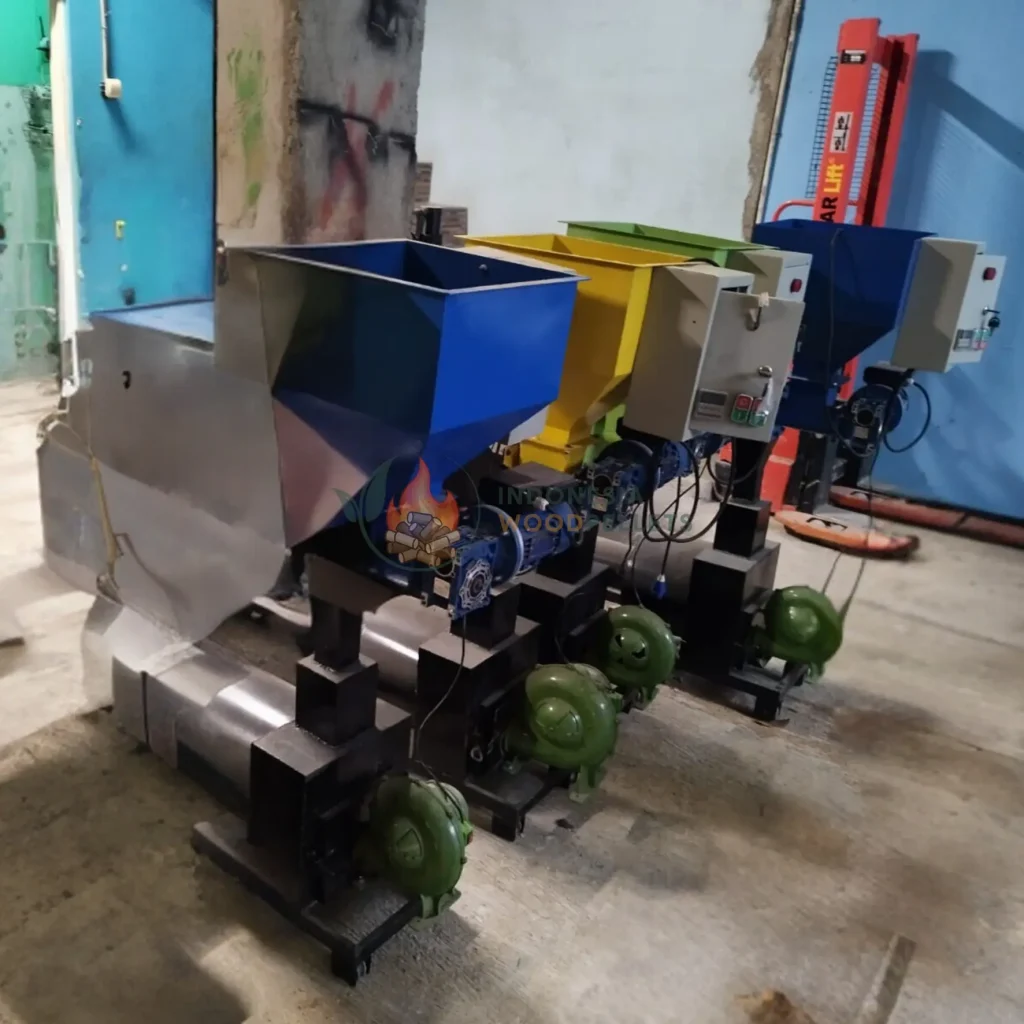
Agricultural communities and rural industries often struggle with massive volumes of unmanaged crop residue and forestry waste. Open field burning causes severe air pollution, environmental degradation, and wasted commercial potential. Utilizing an advanced biomass wood pellet machine transforms low-value organic waste into compact, high-demand biofuel.
Modern rural enterprises need efficient solutions to convert agricultural residues into clean, marketable commodities. Operating a commercial-grade biomass wood pellet machine densifies loose stalks, sawdust, and wood chips into uniform energy pellets. These eco-friendly pellets seamlessly fuel thermal hardware like a modern biomass wood pellet burner machine, fostering sustainable economic growth across local production supply chains.
Why Adopting a Biomass Wood Pellet Machine Fuels Rural Innovation
Converting raw farm waste into high-density pellets provides a practical, environmentally sound path toward localized energy independence. Understanding the technical advantages helps rural cooperatives maximize profitability and resource efficiency.
Key Benefits for Agricultural and Industrial Processing
- Elimination of Field Burning: Processing crop waste prevents hazardous seasonal smoke pollution and carbon penalties.
- High Bulk Density: Compacting loose biomass dramatically reduces storage space and lowers long-distance freight charges.
- Versatile Feedstock Processing: Modern pelletizers handle various agricultural fibers, including rice husk, straw, and sawmill scrap.
- Steady Local Revenue: Producing bio-pellets creates profitable supply lines for regional commercial heating markets.
Technical Performance and Machinery Quality Comparison
Selecting robust pelletizing equipment requires evaluating ring die durability, motor drive systems, and continuous output capacity. High-grade alloy construction prevents rapid component wear caused by abrasive agricultural fibers.
| Performance Indicator | Advanced Industrial Equipment | Standard Conventional Unit |
| Material Processing Range | Hardwood, Softwood, Agricultural Fiber | Soft Wood Chips Only |
| Die Hole Service Life | 1,000 – 1,500 Operating Hours | 300 – 500 Operating Hours |
| Pellet Moisture Output | Optimized Below 10% | Variable (12% – 15%) |
| Operational Reliability | 24/7 Heavy Duty Cycles | Intermittent Batch Duty |
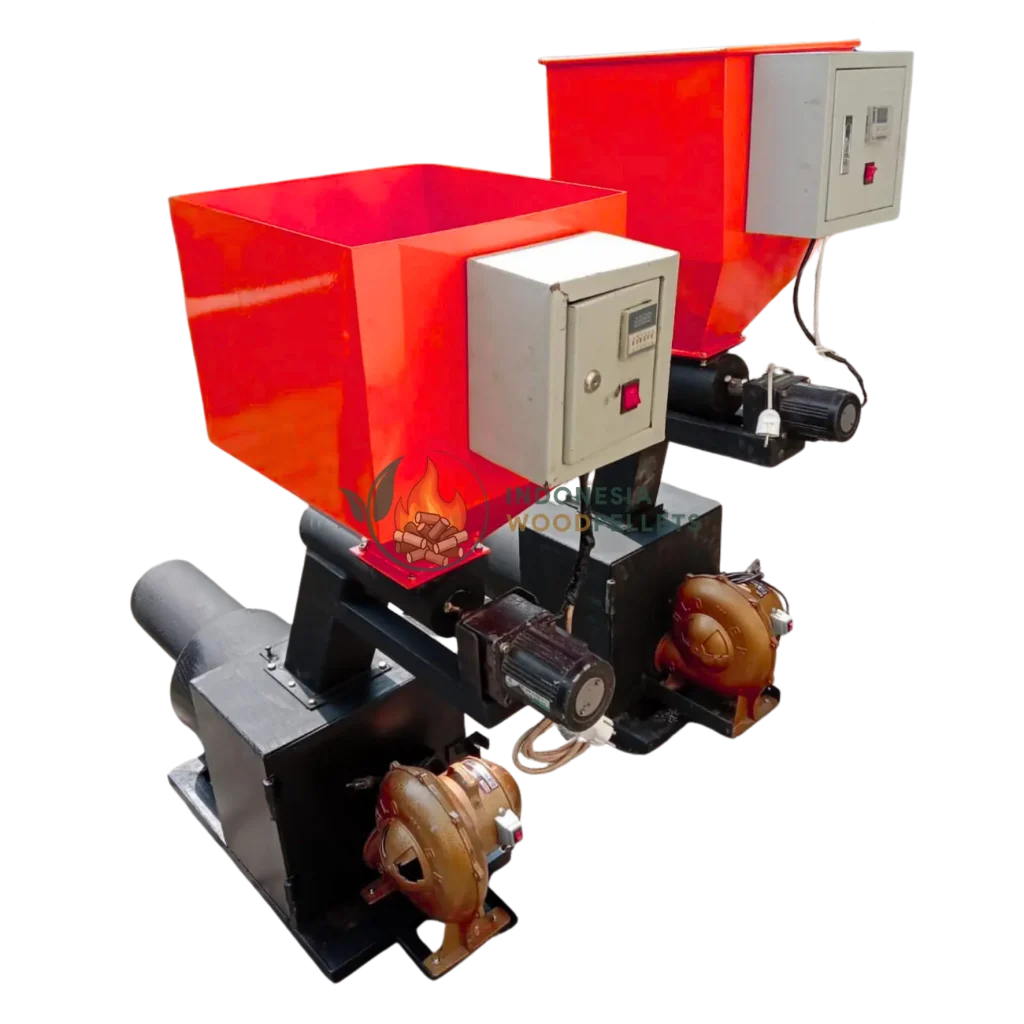
Pairing high-density pellets with efficient combustion systems maximizes overall heating productivity. To learn more about optimizing heating setups, read our article on wood pellet burner machine for efficiency.
Step-by-Step Processing from Farm Waste to Clean Energy
Transforming fibrous crop residues into uniform bio-pellets requires systematic pre-treatment to ensure optimal combustion efficiency.
1. Shredding and Size Reduction
Industrial tub grinders pulverize long stalks, branches, and agricultural waste into uniform particles suitable for die compression.
2. Moisture Optimization
Rotary dryers remove excess moisture, bringing raw fiber down to the ideal target moisture content for binderless extrusion.
3. Extrusion and Pelletizing
Extreme mechanical pressure forces pre-treated fiber through precision ring dies, melting natural plant lignin to form dense pellets.
4. Cooling and Dust Sieving
Counterflow coolers rapidly reduce pellet temperature, while vibrating screens filter out loose fines. High-grade raw material sourcing remains essential, supported by trusted networks like indonesiacocopeat.com.
Critical Maintenance Guidelines for Maximum Machine Longevity
Maintaining continuous operational uptime requires strict adherence to daily maintenance routines and component inspection schedules. Continuous friction between roller shells and die cavities creates extreme operational heat.
Operators must regularly lubricate main roller bearings with high-temperature grease to prevent mechanical seizure. Installing magnetic separators before the feeding inlet catches stray metal debris, protecting delicate die holes from permanent damage. Routine die cavity cleaning prevents hardened residue buildup and ensures smooth motor startup torque.
Driving the Circular Economy in Modern Agriculture
Upcycling agricultural residues into compressed wood fuel turns environmental liabilities into valuable assets. Localized energy production shields regional businesses from unpredictable fossil fuel import expenses.
Furthermore, burning dense biomass pellets releases minimal particulate matter and leaves negligible ash residue behind. This clean combustion profile preserves downstream heat exchangers, reducing boiler cleaning frequency and extending equipment service life.
Empower Your Regional Energy Business Today
Investing in state-of-the-art biomass processing machinery secures your long-term fuel independence while creating lucrative sustainable revenue streams. Premium pellet mills deliver superior material compaction, minimal operational downtime, and high-value output for demanding commercial markets. Take charge of your agricultural waste management strategy today with proven industrial technology.
Contact our expert engineering team today to request custom equipment layouts, raw material testing, or factory installation quotes:
- Phone/WhatsApp: (+62) 819-2939-1980 (Mala)
- Email: sales@arlion.co.id