
Wood pellet ash content is an important indicator of biomass fuel quality. It helps buyers evaluate combustion performance, maintenance requirements, and the amount of residue produced after burning.
For businesses purchasing biomass fuel, understanding this parameter supports better operational decisions. A reliable wood pellet factory should monitor ash levels alongside moisture, durability, and calorific value.
Low ash content generally means less solid residue remains after combustion. However, buyers should assess the complete fuel specification before choosing a supplier.
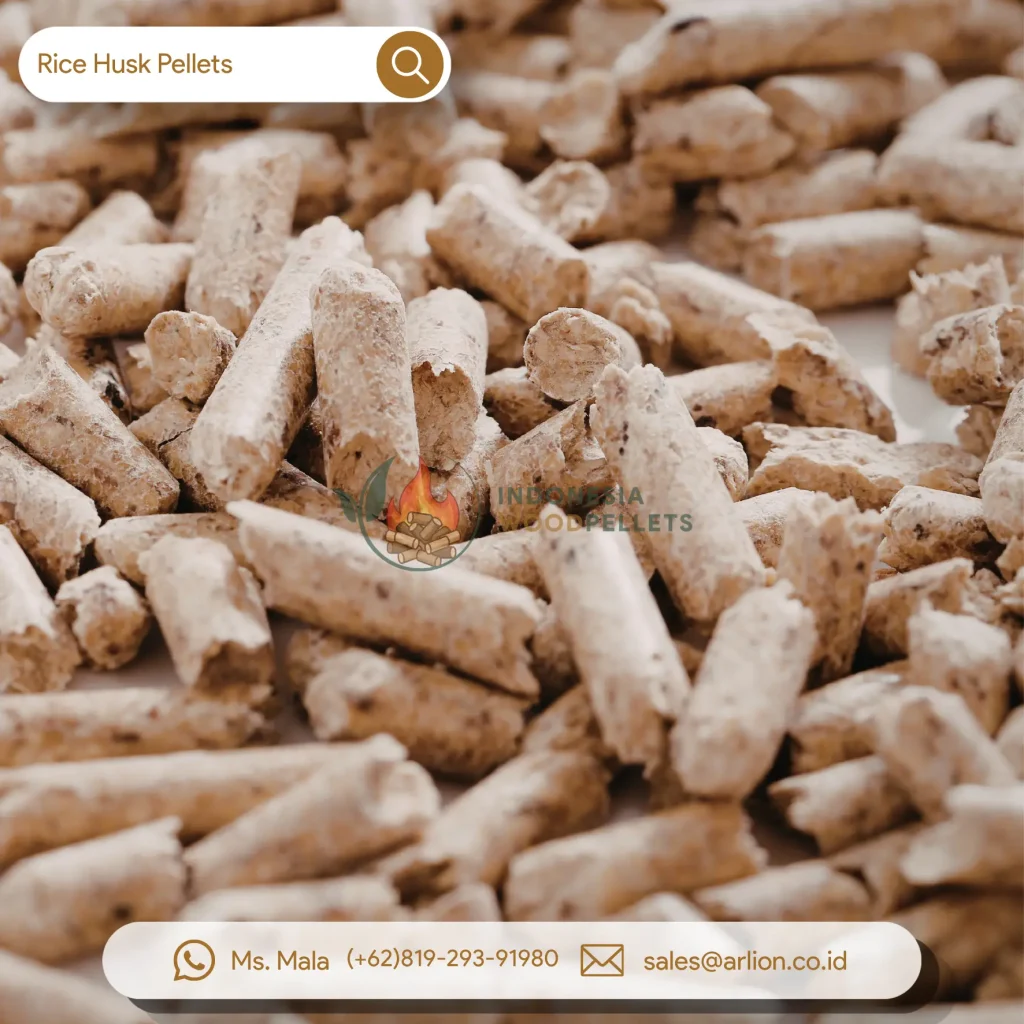
What Is Wood Pellet Ash Content?
Wood pellet ash content refers to the percentage of inorganic residue remaining after a pellet sample burns under controlled laboratory conditions. This residue comes from naturally occurring minerals and possible contaminants in the raw materials.
Manufacturers commonly express this measurement as a percentage of the pellet’s dry mass. For example, a pellet with 1% ash content produces approximately 10 kilograms of ash per tonne of dry fuel.
This figure helps buyers compare products and estimate cleaning requirements. It also provides insight into how suitable a particular pellet grade may be for specific heating equipment.
However, ash content alone cannot determine overall fuel quality. Moisture, energy value, chemical composition, and mechanical durability also influence performance.
Why Wood Pellet Ash Content Matters
Monitoring ash levels offers several practical benefits for commercial and industrial users.
1. Reduces ash-handling requirements
Lower ash levels generally leave less residue inside boilers and heating systems. Operators may spend less time removing accumulated material and cleaning combustion chambers.
2. Supports efficient equipment operation
Excessive ash can contribute to deposits and, depending on its composition, slag formation. These problems may restrict airflow, interfere with heat transfer, or increase maintenance needs.
3. Helps control operating costs
Frequent cleaning requires labor and sometimes equipment downtime. Choosing suitable pellets can help reduce these expenses over time.
4. Improves purchasing decisions
Ash specifications allow buyers to compare suppliers using measurable criteria. This approach is more reliable than selecting fuel based only on appearance or price.
Wood Pellet Ash Content Standards and Typical Limits
International standards provide useful benchmarks for evaluating graded wood pellets. ISO 17225-2:2021 specifies fuel classes and quality requirements for wood pellets used in non-industrial and industrial applications.
For residential and commercial graded pellets, commonly referenced ash limits are:
- Class A1: Maximum 0.7% ash by dry mass.
- Class A2: Maximum 1.2% ash by dry mass.
- Class B: Maximum 2.0% ash by dry mass.
These values are specification limits, not guaranteed measurements for every pellet sold under a particular description. Buyers should verify the applicable standard, certification, and product documentation. See the official ISO 17225-2 standard for further information.
The appropriate grade depends on the equipment and intended application. Residential stoves may require tighter specifications than certain industrial boilers.
Always confirm the manufacturer’s requirements before purchasing large quantities.
What Affects Wood Pellet Ash Content?
Several production and raw-material factors influence the final ash percentage.
1. Raw Material Selection
Clean wood sawdust and untreated wood residues can provide suitable feedstock for quality pellets. However, mineral content varies by species, growing conditions, and processing practices.
Bark and other materials may increase ash levels. Soil, sand, and other contaminants can also raise the final measurement.
2. Feedstock Handling
Poor storage and handling can introduce dirt into otherwise suitable raw materials. A well-managed production facility protects feedstock from unnecessary contamination.
3. Manufacturing Controls
A professional wood pellet factory monitors raw materials, production conditions, and finished-product specifications. Consistent quality control helps identify variations before products reach customers.
4. Testing and Verification
Laboratory analysis provides a more dependable measurement than visual inspection. Buyers should request recent test reports showing ash content and other relevant fuel properties.
How to Choose Wood Pellets With Suitable Ash Levels
Selecting appropriate biomass fuel requires more than comparing advertised percentages. Consider these practical steps before placing an order:
- Check the specification sheet: Confirm the declared ash percentage and whether measurements use a dry-mass basis.
- Request laboratory reports: Review test results and verify that they correspond to the product being supplied.
- Compare additional properties: Examine moisture, calorific value, pellet durability, and relevant chemical parameters.
- Match the equipment: Follow the boiler or heating system manufacturer’s fuel requirements.
- Evaluate consistency: Ask about batch testing, quality assurance procedures, and traceability.
- Calculate total operating costs: Consider fuel price, transportation, cleaning frequency, and expected equipment maintenance.
For procurement planning, compare these details alongside the wood pellet price per ton to understand the wider cost implications.
How a Wood Pellet Factory Maintains Quality
A dependable wood pellet factory should establish quality controls throughout production. These controls begin with feedstock inspection and continue through processing, pelletizing, cooling, storage, and dispatch.
Important practices include removing contaminants, maintaining suitable operating conditions, and testing finished batches against agreed specifications.
Proper storage also helps protect pellets from moisture and contamination during handling. Clear product documentation enables buyers to check whether deliveries meet contractual requirements.
Businesses sourcing biomass fuel can explore available products and supply information through Indonesia Wood Pellets. Buyers evaluating broader biomass options can also review wood pellet products and information.
Remember that a low ash figure does not automatically guarantee superior fuel. Consistent testing and suitability for the intended equipment remain essential.
Conclusion: Make Smarter Biomass Fuel Decisions
Understanding wood pellet ash content helps businesses assess fuel quality, estimate residue handling, and make informed purchasing decisions. By comparing verified specifications and choosing a supplier with consistent quality controls, buyers can improve procurement confidence.
Do not rely on price or appearance alone. Request technical specifications and laboratory results before committing to a large order.
Contact us today to discuss your wood pellet requirements and find a suitable biomass fuel solution for your business.
- WhatsApp: (+62) 819-2939-1980 (Mala)
- Email: sales@arlion.co.id