
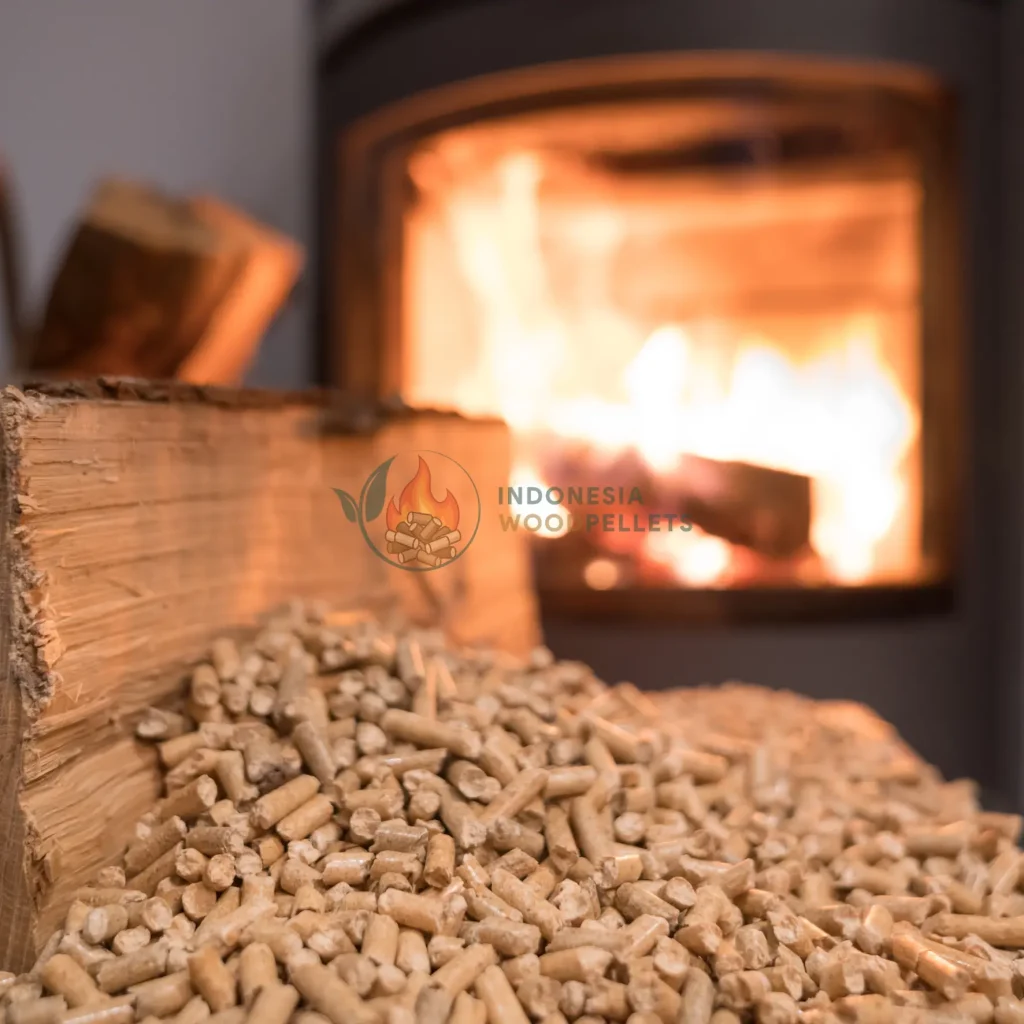
Industrial facilities worldwide face growing pressure to reduce operational costs and carbon emissions. Modern heating infrastructure must balance high performance with eco-friendly fuel sources. Transitioning to an automated wood pellet boiler offers an efficient, sustainable solution for commercial and industrial thermal needs.
Heating technology has evolved significantly over recent years. Advanced biomass systems deliver remarkable combustion efficiency, precise temperature control, and low maintenance overhead. By utilizing standardized biofuel, a commercial wood pellet boiler converts organic waste into reliable thermal energy for factory production and space heating.
Why Every Modern Facility Needs a High-Performance Wood Pellet Boiler
A dedicated biomass heating unit provides exceptional thermal output while reducing long-term energy expenditure. These systems offer clear operational advantages compared to traditional fossil fuel burners.
Fundamental Advantages of Biomass Heating
- Significant Cost Savings: Renewable wood fuel prices remain far more stable than unpredictable natural gas and diesel costs.
- Automated Fuel Delivery: Integrated auger systems automatically transport fuel from storage hoppers directly into the combustion chamber.
- Superior Thermal Output: Modern designs reach thermal efficiency levels exceeding 90 percent during continuous operation.
- Low Carbon Emissions: Burning certified wood fuel produces net-zero carbon dioxide emissions across its lifecycle.
Technical Specifications and System Performance Comparison
Selecting the right heating system requires analyzing fuel consumption, ash output, and overall system longevity. Utilizing high-density wood pellet biomass guarantees optimal combustion inside your unit.
| Performance Metric | Industrial Wood Pellet System | Conventional Oil/Gas Boiler |
| Combustion Efficiency | Up to 93% | 80% – 88% |
| Fuel Source Stability | High (Renewable Forestry Byproducts) | Low (Volatile Fossil Markets) |
| Carbon Footprint | Carbon-Neutral | High Carbon Output |
| Ash Residue Production | Less than 1% | Zero Ash (High Toxic Gas Output) |
Key Components of an Efficient Biomass Heating Setup
Understanding the mechanical architecture of a biomass heating unit ensures smooth operation and effortless maintenance.
1. Fuel Storage Silo
Bulk storage hoppers store compressed wood fuel in dry conditions to preserve optimal calorific value.
2. Automated Feeding Unit
Electronic augers feed exact quantities of fuel into the burner based on real-time heat demands.
3. High-Efficiency Combustion Chamber
Air injection systems optimize oxygen levels, ensuring full fuel burn with minimal smoke generation.
4. Integrated Heat Exchangers
Tubular heat exchangers transfer combustion heat directly into water or steam networks for distribution.
Strategic Advantages for Commercial Applications
Commercial enterprises require robust thermal systems capable of continuous heavy-duty cycles. Operating an automated heating setup creates long-term value across various operational frameworks.
Facilities that adopt sustainable heating reduce their reliance on expensive fossil fuels. For detailed insights on green fuel properties, explore our complete guide on wood pellet biomass for green energy.
Key Operational Benefits
- Enhanced Operational Safety: Modern units feature automated shutdown protocols, backburn prevention valves, and thermal sensors.
- Minimal Maintenance Time: Self-cleaning heat exchangers and automated ash removal reduce manual labor needs.
- Regulatory Compliance: Meeting international clean air standards becomes straightforward with low-emission bio-fuel burners.
How to Select the Ideal Capacity for Your Facility
Determining proper boiler capacity prevents underperformance or unnecessary capital expenditure. Engineering teams must evaluate total thermal demand, peak operating hours, and local ambient temperatures before installation.
System sizing depends heavily on continuous load requirements. Professional installation partners analyze total square footage and process steam needs to recommend precise kilowatt ratings. Selecting correctly sized equipment optimizes fuel consumption rates and prolongs component lifespan.
Long-Term Maintenance and Fuel Quality Factors
Achieving peak heating efficiency requires pairing quality machinery with premium fuel stock. Substandard fuel with high moisture content causes slag formation, lowers heat output, and increases maintenance frequency.
Regular inspection schedules should focus on cleaning optical sensors, inspecting auger gearboxes, and clearing ash receptacles. Using high-density fuel ensures clean burning, minimal clinker formation, and smooth fuel feeding year-round.
Upgrade Your Commercial Heating System Today
Investing in advanced renewable heating technology secures predictable energy expenses while advancing corporate sustainability goals. High-efficiency boilers deliver consistent heat output, lower carbon footprints, and dependable performance for demanding industrial environments. Contact our technical sales team today to explore custom heating equipment and bulk fuel supply packages designed for your facility:
- Phone/WhatsApp: (+62) 819-2939-1980 (Mala)
- Email: sales@arlion.co.id